ASEva Lite Empowers Road Testing for the Mandatory Standard
Safety Requirements for Combined Driver Assistance Systems of Intelligent and Connected Vehicles**
1. Overview of the Mandatory Standard
On June 27, 2026, the mandatory national standard GB 47955–2026, Safety Requirements for Combined Driver Assistance Systems of Intelligent and Connected Vehicles, developed and administered by the Ministry of Industry and Information Technology (MIIT), was officially approved and released by the State Administration for Market Regulation (SAMR) and the Standardization Administration of China (SAC). The standard is scheduled to come into effect on January 1, 2027.
As China's first mandatory national standard specifically targeting Level 2 (L2) Combined Driver Assistance Systems (CDAS), GB 47955–2026 marks a significant milestone in the development of China's intelligent driving industry, introducing unified standards, unified testing methodologies, and unified regulatory requirements.

The standard establishes a comprehensive safety baseline for L2 driver assistance systems, making road testing a critical requirement for product certification and market access. Consequently, testing tools are expected to deliver unprecedented levels of professionalism, completeness, reliability, and traceability.
2. ASEva Lite – A Reliable Solution for Regulatory Road Testing
ASEva Lite, independently developed by ZEER, is a lightweight, highly reliable, and customizable data acquisition and analysis platform specifically designed for intelligent driving regulatory validation and large-scale road testing.
To address the stringent requirements introduced by GB 47955–2026, ASEva Lite provides an integrated vehicle-side + cloud-based architecture, delivering a complete workflow from data acquisition to analysis and evaluation for certification organizations, vehicle manufacturers, and component suppliers.
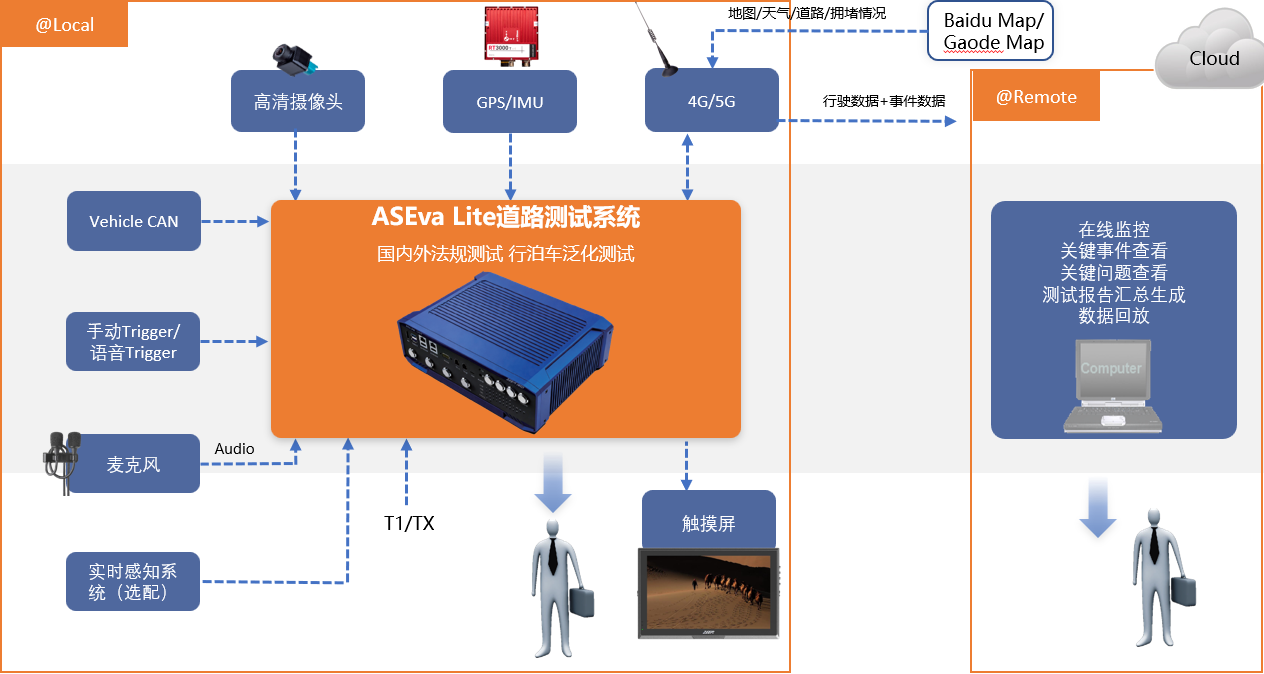
Comprehensive Multi-Source Data Acquisition
ASEva Lite supports synchronized acquisition of multiple data sources, enabling comprehensive recording of vehicle operation and testing conditions.
Its Regulatory Testing Module is the core component of the platform, specifically developed to support GB 47955–2026 as well as other domestic and international testing standards. Key capabilities include:
Standardized testing and evaluation based on Chinese and international regulations
Intelligent loading of automated evaluation scripts
Automatic generation of test reports
Key event marking and data slicing
Single-test and batch-test report generation
Flexible loading of functional testing modules
Complete Coverage of Regulatory Test Scenarios
ASEva Lite incorporates a dedicated scenario tagging interface designed specifically for the Combined Driver Assistance System standard.
The system systematically covers all testing scenarios required by the regulation and automatically calculates scenario coverage, helping users verify that all mandatory test requirements have been completed.
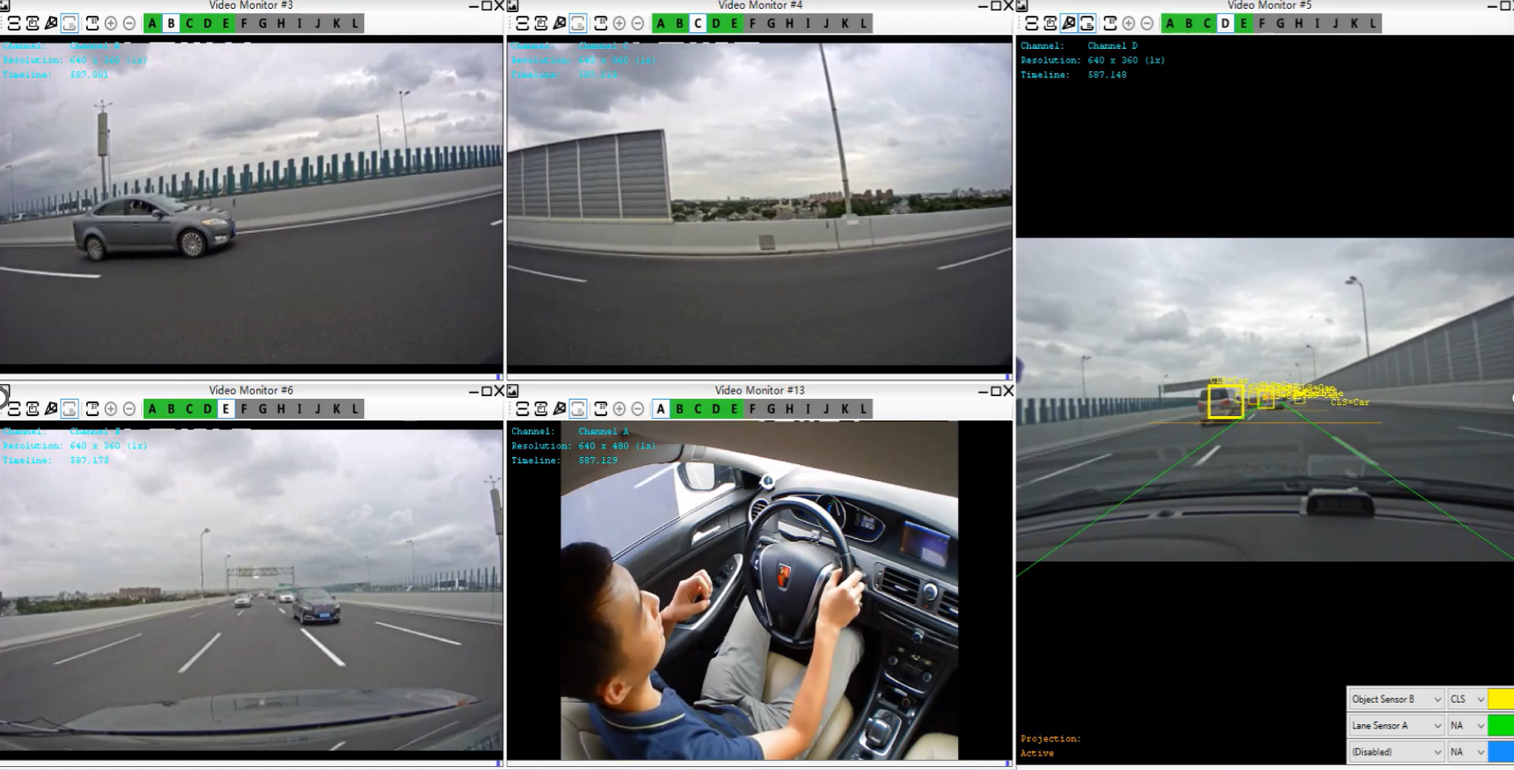
In addition, ASEva Lite provides dedicated dashboards for regulatory road testing and route analysis, enabling the complete execution process of the required 72-hour effective road test to be clearly documented, fully traceable, quantitatively evaluated, and ready for compliance auditing.
Beyond regulatory validation, ASEva Lite also offers a variety of intelligent testing functions, including automated monitoring of ADAS operating status and real-time verification of data integrity and validity.
3. ASEva Lite – Supporting Regulatory Road Testing for Both Passenger and Commercial Vehicles
The implementation of GB 47955–2026 will significantly reshape the intelligent driving market.
For both passenger vehicle and commercial vehicle manufacturers, efficient, reliable, and compliant testing capabilities are no longer simply a regulatory requirement—they are becoming a key competitive advantage for shortening development cycles and accelerating product launches.
With its professional engineering capabilities, comprehensive toolchain, and extensive industry experience, ZEER's ASEva Lite provides a trusted testing infrastructure for the intelligent connected vehicle industry, helping manufacturers accelerate product development under standardized regulatory requirements.
3.1 Passenger Vehicles – Supporting the Entire Development Lifecycle
For passenger vehicle applications, ASEva Lite has established itself as an intelligent driving testing platform in China, filling a significant gap in the domestic market.
The platform has already been adopted by major OEMs, Tier 1 suppliers, testing organizations, and universities across China.
Its lightweight architecture, modular design, and vehicle-cloud collaborative framework enable manufacturers to efficiently deploy testing resources and complete regulatory validation within increasingly demanding development schedules.
3.2 Commercial Vehicles – Tailored for Unique Testing Requirements
Commercial vehicles—including heavy-duty trucks, light trucks, and buses—are rapidly adopting advanced driver assistance technologies.
However, compared with passenger vehicles, commercial vehicles present specific testing challenges due to their larger dimensions, longer wheelbases, varying payloads, and more complex operating environments.
With its powerful data logging capabilities, modular architecture, lightweight deployment, and comprehensive testing functions, ASEva Lite is equally well suited for regulatory road testing of commercial vehicles.
About Shanghai ZEER Automotive Technology Co., Ltd.
Founded in 2018, Shanghai ZEER Automotive Technology Co., Ltd. is a wholly owned subsidiary of Guangzhou Zeer Testing Technology Co., Ltd.
The company is committed to advancing automotive safety and intelligent mobility by providing innovative, efficient, and professional testing products and integrated solutions for the automotive industry. Through continuous technological innovation and customer-focused engineering services, ZEER contributes to the advancement of automotive technology and the sustainable development of the intelligent vehicle industry.